
203.754.7779
Se Habla Español
Contact Us

GAO Report Sees Need For Greater Meatpacking Oversight

Share on Facebook
Share on X
Share on LinkedIn

Connecticut residents and other meatpacking employees may not have access to bathroom breaks or medical treatment for injuries or exposure to chemicals. The General Accountability Office is urging the federal government to make sure that such workers have the protection they need on the job. The issue relating to a lack of bathroom breaks was caught by Oxfam America, and it went unnoticed by OSHA, according to the GAO report issued on Dec. 7.

It was acknowledged that OSHA may have trouble learning about this and other issues because workers are afraid to speak out. Despite the lack of outcry from workers, a GAO study from May 2016 found that the meatpacking industry had the highest injury rates in the country. In its latest report, the GAO said that groups such as the National Institute for Occupational Safety and Health should coordinate with OSHA to have a better response to issues related to chemical exposure in plants.

A representative from the North American Meat Institute said that portions of the report were merely anecdotal reports. He said that the industry is always looking to improve worker safety within a tight job market. A recommendation from the latest GAO report advised NIOSH to interview workers offsite to get candid responses.

A lack of employer oversight or regulatory compliance can put workers in danger. If a work accident victim is unable to work either temporarily or permanently, he or she may be entitled to workers’ compensation benefits. Benefits could include the payment of medical bills as well as a portion of a worker’s salary while he or she is recovering.
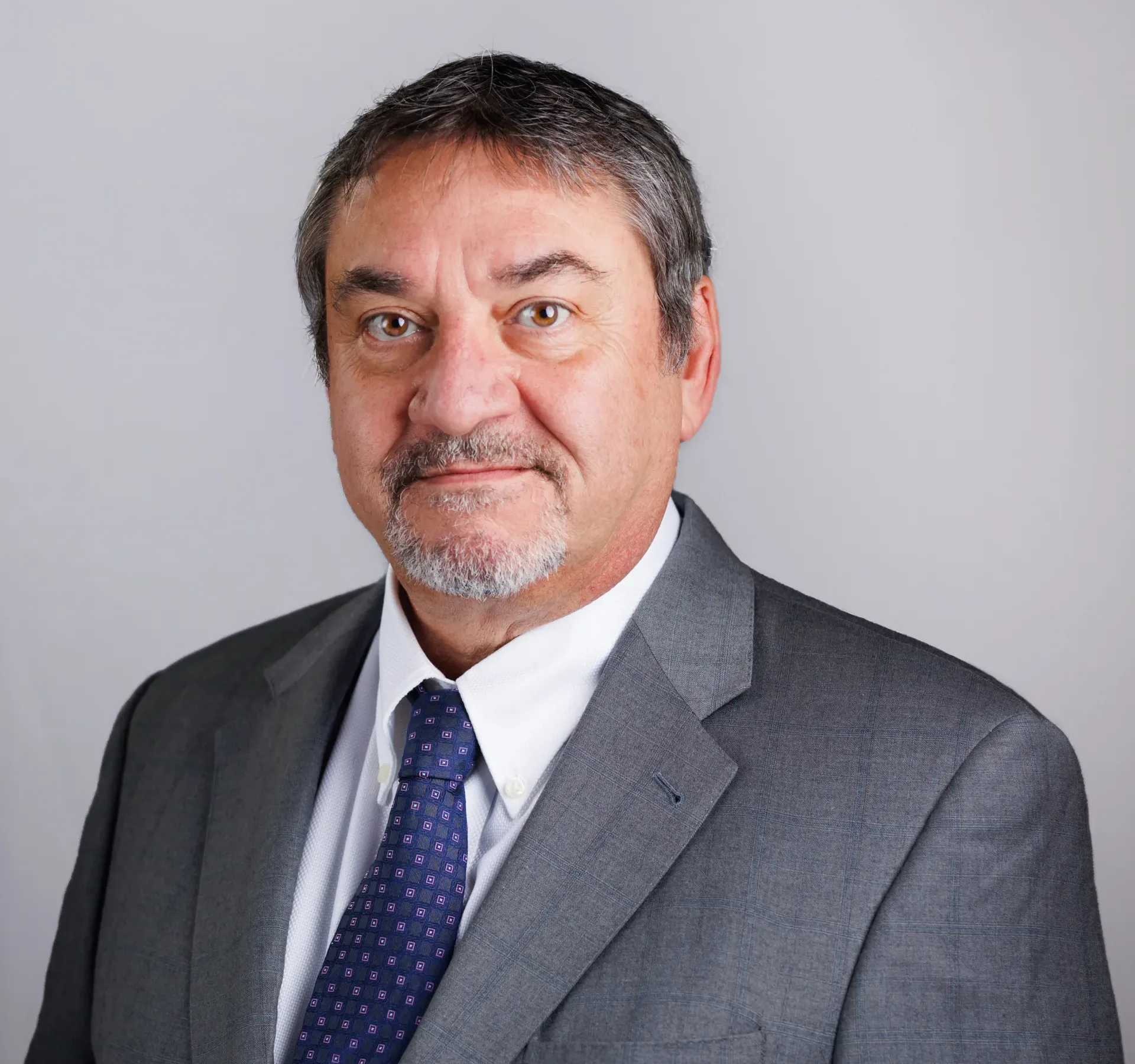
About the Author
James lives in Southbury with his wife, Lynn, and their children, James, and Chloe. He enjoys skiing and fishing in his spare time, and is actively involved in local civic affairs in his hometown of Southbury and the greater Waterbury area.
GAO Report Sees Need For Greater Meatpacking Oversight

Connecticut residents and other meatpacking employees may not have access to bathroom breaks or medical treatment for injuries or exposure to chemicals. The General Accountability Office is urging the federal government to make sure that such workers have the protection they need on the job. The issue relating to a lack of bathroom breaks was caught by Oxfam America, and it went unnoticed by OSHA, according to the GAO report issued on Dec. 7.

It was acknowledged that OSHA may have trouble learning about this and other issues because workers are afraid to speak out. Despite the lack of outcry from workers, a GAO study from May 2016 found that the meatpacking industry had the highest injury rates in the country. In its latest report, the GAO said that groups such as the National Institute for Occupational Safety and Health should coordinate with OSHA to have a better response to issues related to chemical exposure in plants.

A representative from the North American Meat Institute said that portions of the report were merely anecdotal reports. He said that the industry is always looking to improve worker safety within a tight job market. A recommendation from the latest GAO report advised NIOSH to interview workers offsite to get candid responses.

A lack of employer oversight or regulatory compliance can put workers in danger. If a work accident victim is unable to work either temporarily or permanently, he or she may be entitled to workers’ compensation benefits. Benefits could include the payment of medical bills as well as a portion of a worker’s salary while he or she is recovering.

About the Author
James lives in Southbury with his wife, Lynn, and their children, James, and Chloe. He enjoys skiing and fishing in his spare time, and is actively involved in local civic affairs in his hometown of Southbury and the greater Waterbury area.
Attorney Advertising
Website developed in accordance with Web Content Accessibility Guidelines 2.2.
If you encounter any issues while using this site, please contact us: 203.754.7779
203.754.7779
Se Habla Español
Contact Us